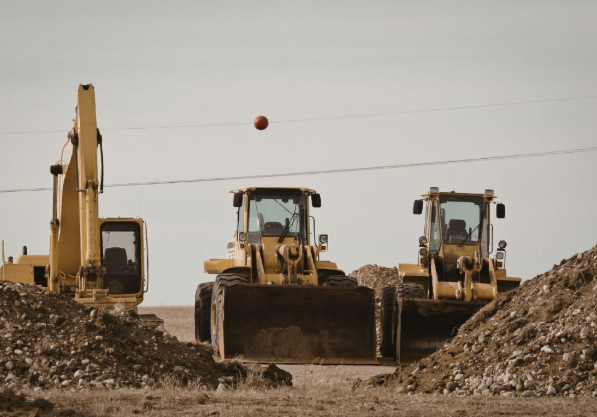
Equipment theft and damage cost the rental industry between $300 million and $1 billion annually, according to the National Equipment Register.
With the market expected to grow in 2026, so does the financial exposure for rental operators managing fleets of high-value equipment. It’s clear that many rental companies struggle to implement effective damage protection in a way customers can understand.
In this article, we’ll go over how the solution lies in making damage waivers a transparent, consistent, and seamlessly integrated part of your checkout process. And how that can be done with Specialty Equipment Insurance Services and modern equipment rental management software.
The Importance of Consistent Rental Damage Waivers for Rentals
In short, a damage waiver is basically a contractual agreement between a rental company and its customer that limits the renter’s financial responsibility for loss or damage to equipment, in exchange for a fee.
Unlike insurance, which involves a third-party policy, damage waivers are direct agreements that can be included at the point of sale.
Why Consistency Matters
When damage waiver policies vary from transaction to transaction or depend on which counter person handles the rental, customers can become confused and will ultimately lose confidence in how the end situation might turn out.
Here are some ways in which inconsistent waiver applications can create problems for your rental operation:
- Confusion about coverage: Customers may not understand what they’re protected against, leading to disputes when damage occurs.
- Pricing disputes: If waiver fees appear unexpectedly or vary without explanation, customers feel blindsided, and trust erodes.
- Staff training gaps: Without standardized procedures, employees may skip important explanations or incorrectly describe coverage terms.
- Revenue leakage: Inconsistent offering of waivers means missed opportunities to protect both your equipment and your bottom line.
What Transparent Damage Protection Looks Like
Transparency in damage protection means customers know exactly what they’re paying for, what’s covered, and their responsibilities before the equipment leaves your yard.
A well-structured damage waiver policy should clearly communicate:
- The types of damage covered by the waiver, such as accidental damage, fire, theft, and vandalism
- Specific exclusions like negligence, misuse, or mysterious disappearance
- The customer’s maximum financial responsibility, including any applicable deductible
- Procedures for reporting and documenting equipment damage
- The cost of the waiver is a clear percentage or flat fee
The point is that when customers fully understand how a damage waiver benefits them, they’re more likely to purchase it, which helps you and them deliver a better rental experience.
How To Embed Damage Waivers Into Your Checkout Process
Now that you know the importance of implementing damage waivers in your checkout process, here’s how to effectively build this into your rental checkout process.
Step 1: Define Your Damage Waiver Policy
Before you can embed damage waivers into your checkout process, you need a clearly defined policy.
To do this, work with your insurance provider to determine appropriate coverage levels, deductibles, and pricing. They’ll be able to provide guidance on general recommendations for your fleet and other specialty equipment rentals.
Most equipment rental companies charge damage waivers as a percentage of the rental rate, typically ranging from 10% to 15%, depending on the equipment type and risk profile.
Step 2: Make Damage Waivers Visible at Every Touchpoint
The next step after defining your policy is to make it accessible and easy for customers to add during their rental experience. The best way to do this is by integrating this experience into your online booking system. You can do this by:
- On your website: Display waiver pricing alongside rental rates so customers can factor protection costs into their budget before they contact you.
- In quotes and estimates: Include damage waiver as a standard line item, with clear language about what it covers. *Be sure to check with your lawyer about the local regulations governing opt-in and opt-out.*
- At the counter: Train staff to explain damage waiver benefits consistently, using the same language every time.
- During online checkout: Present the waiver option clearly before customers complete their order, with a brief explanation of coverage.
Step 3: Automate Waiver Processing
Don’t leave this all up to manual tracking in a spreadsheet, either.
Manual damage waiver tracking creates opportunities for errors, inconsistencies, and missed revenue.
It’s important to consider implementing a modern rental management platform, like Quipli, to automatically calculate waiver fees based on rental rates, include waivers in digital contracts, and track which rentals are covered. This automation ensures every rental receives the same treatment regardless of which employee processes the order.
For example, rental software solutions like Quipli integrate directly with insurance-backed damage waiver programs, automatically generating compliant waiver agreements for each rental. This integration ensures consistent application across all transactions while reducing administrative overhead.
Before implementing any damage waiver program or checkout process, we highly recommend you consult with a qualified legal professional to help guide you through the process for proper legal compliance across your checkout experience.
Step 4: Train Your Team
Even with automated systems, your staff plays an important role in communicating the value of damage protection. It’s important to set up a training session for employees so they know how your damage waivers work, how to instruct clients for damage waiver protection, and how to handle damaged equipment.
Ultimately, focus on the peace of mind the waiver provides. Customers can return equipment without worrying about repair costs for covered damage, and they don’t need to file claims through their own insurance or risk premium increases on their policies.
The Importance of Using the Right Insurers
Not all damage waiver programs are created equal. The difference between a self-funded damage waiver and an insurance-backed program can mean the difference between predictable protection and significant financial exposure.
Self-Funded vs. Insurance-Backed Waivers
With a self-funded damage waiver, your company collects fees and pays for repairs out of pocket when damage occurs. This approach works for smaller operations with limited equipment values, but it exposes you to significant risk with higher-value assets.
One total loss on a $200,000 excavator could wipe out years of collected waiver fees.
Insurance-backed damage waivers transfer that risk to a third party. Your company purchases a policy from an insurance provider, then offers coverage to customers through the damage waiver.
When claims occur, the insurance company handles payment—often with broader coverage and faster processing than self-funded programs can provide. This model also eliminates the need to employ dedicated claims staff, as the insurance provider manages the entire process.
All-Risk Coverage Provides Broader Protection
Insurance-backed programs often offer “all-risk” coverage, meaning claims are covered unless specifically excluded. This is significantly broader than “named peril” coverage, where only listed damage types are covered.
All-risk coverage typically includes collision, overturns, earthquake, theft, fire, tornado, flood, vandalism, hail, and wind damage—providing comprehensive protection for both you and your customers. Industry data shows that all-risk coverage can be up to four times as broad as named peril policies.
Why Your Insurance Partner Matters
The quality of your damage waiver program depends heavily on the insurer backing it. Look for providers with deep experience in the equipment rental industry who understand the unique risks your fleet faces. Key factors to evaluate include:
Financial strength
Work with insurers rated “A” or higher by major rating agencies to ensure they can pay claims when needed.
Coverage limits
Make sure your per-unit and aggregate limits align with your fleet’s value. Leading programs now offer coverage up to $500,000 per unit.
Claims processing
Fast, reliable claims handling keeps your equipment rental-ready. The best providers pay over 97% of submitted claims and process them within weeks, not months.
Technology integration
Modern insurance providers offer portals and software integrations that streamline reporting, reduce administrative burden, and improve accuracy.
Specialty Equipment Insurance Services (SEIS) exemplifies this approach, offering insurance-backed Rental Damage Waiver (RDW) programs specifically designed for equipment dealers. With more than 35 years of industry experience and coverage backed by CNA, an A-rated insurer, SEIS provides coverage for equipment valued from $1,000 to $500,000, with annual aggregate limits up to $3,000,000. Their integrated online portal streamlines loss reporting and claims service, reducing turnaround time and administrative overhead for rental operators.
Final Thoughts
By implementing consistent damage waiver policies, embedding protection into your checkout process, and partnering with specialized insurers, you create an operation where customers feel confident entrusting you with their projects—and where your valuable equipment is protected against the unexpected.
Ready to strengthen your damage protection program? Contact Specialty Equipment Insurance Services to learn about insurance-backed Rental Damage Waiver programs designed for equipment dealers.
And if you’re looking for rental management software that integrates damage waiver processing directly into your workflow, explore how Quipli can help streamline your operations.